At a Glance
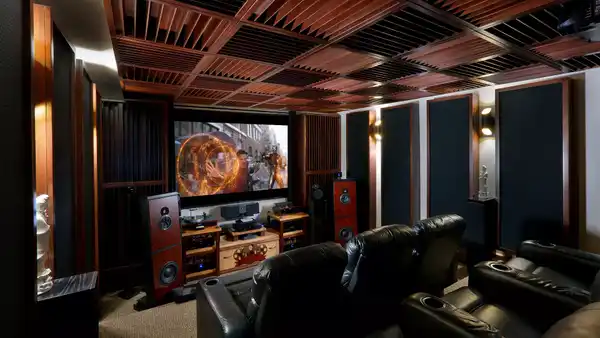
You just finished your dream media room. The screen is huge and the speakers are top-tier. But when you hit play, the voices sound like they are coming from the bottom of a well. Echoes bounce off the walls and muddy the dialogue. This happens because sound waves hit hard surfaces like drywall or glass and bounce back into the room. It creates a chaotic environment where the audio you paid for gets lost in the noise.
Getting this right is about more than just volume. Uncontrolled sound reflections create standing waves that cancel out bass or make high notes pierce your ears. This ruins the immersion of your favorite movies. Elite A/V provides professional acoustic solutions to fix these acoustic headaches. We help you turn a noisy room into a calibrated theater where every whisper is heard.
This guide looks at how sound behaves in your home. You will learn about material differences and where to put acoustic panels to get the best results. We look at everything from bass management to picking designs that match your furniture. Using the right acoustic panels makes your existing equipment perform at a much higher level.
Upgrade Your Home Audio Experience
Get the most out of your speakers with professional room treatment solutions tailored to your space.
Explore Acoustic Solutions
Sound travels in waves, much like ripples in a pond. When those waves hit a flat, hard surface, they do not just stop. They bounce back at an angle equal to how they hit the wall. Think of a rubber ball hitting a hardwood floor. In a room with four walls, a ceiling, and a floor, those bounces happen thousands of times per second. This creates room reverb reduction issues that make it hard to understand what people are saying on screen. When reflections are out of control, the sound becomes a cluttered mess.
Standing waves happen when the distance between two walls matches the length of a sound wave. The wave bounces back and forth and stays in one spot. This makes certain parts of the room have "boomy" bass while other spots have almost no bass at all. You might sit on your couch and feel like the subwoofer is too loud, but a friend sitting two feet away hears nothing. This unevenness is common in rectangular rooms. It is a physical problem that no amount of volume can fix on its own.
The Problem with Flutter Echo
Flutter echo is another common issue in home theaters. This is that high-pitched "ping" or "ringing" sound you hear when you clap your hands in an empty hallway. It happens between two parallel hard surfaces, like two bare walls or a floor and a ceiling. This ringing can make high-frequency sounds from your speakers feel harsh and painful to the ear. Over time, this causes listener fatigue, meaning you have to turn the movie down or stop watching because your ears feel tired.
Soundproofing vs. Treatment
People often confuse studio soundproofing with acoustic treatment. Soundproofing is about stopping sound from leaving the room or entering from the outside. You build thick walls, use specialized glue, and seal gaps for that. Acoustic treatment is about sound reflection control inside the room. It makes the speakers you already own sound better by cleaning up the mess of reflections. Treating a room does not necessarily keep your neighbors from hearing the movie, but it makes the movie sound incredible for you.
Untreated hard surfaces like windows and tile floors degrade audio quality by adding too much energy back into the air. When you add high-end home theater speakers to a room with no treatment, you are only hearing about half of what they can do. The rest is just distorted noise bouncing off the drywall. Proper treatment tames these reflections so the sound stays clear and focused on your seating position.
Choosing the Right Treatment for Your Audio Needs
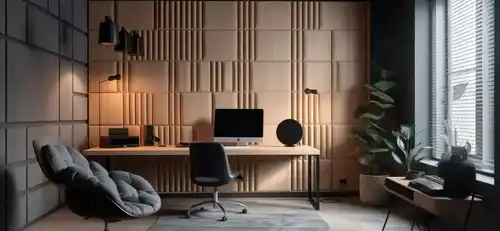
Not all materials handle sound the same way. Many people start with cheap acoustic foam because it is easy to find. This open-cell foam is lightweight and helps with high-frequency zing. However, it often does very little for mid-range or bass frequencies. If you only use foam, you might end up with a room that sounds "dark" because the highs are gone but the muddy low-end remains. This creates an unbalanced sound that can feel suffocating or unnatural.
High-density fiberglass or rockwool acoustic panels are the standard for professional home theater design. These materials are much denser than foam. They can trap longer sound waves that cause muddiness in the lower frequencies. When a sound wave enters these fibers, it rubs against them and turns into tiny amounts of heat. This process is sound absorption. It effectively "kills" the wave so it cannot bounce back into the room and cause an echo.
Understanding Performance Ratings
When shopping, look at the Noise Reduction Coefficient or NRC rating of a product. A rating of 1.0 means the material absorbs 100% of the sound hitting it at certain frequencies. Most high-quality fiberglass panels sit between 0.85 and 1.0. Lower-quality foam might only have a rating of 0.40. This means more than half the sound is still bouncing back into your room. Investing in higher NRC materials means you need fewer panels to get a better result, which keeps your walls from looking cluttered.
The Role of Sound Diffusion
Sound diffusion is another tool in your kit. Instead of soaking up the sound, diffusers break it up and scatter it in different directions. This prevents the room from feeling too small or "dead." A room that is 100% covered in absorption feels unnatural and stifling, like being in a vacuum. Using a mix of panels and diffusers keeps the energy in the room while removing the harsh echoes. This is especially helpful for rear walls, where you want a sense of spaciousness in your surround sound field.
- Fiberglass Panels: Offer the highest absorption for low and mid-range frequencies.
- Acoustic Foam: Best for high-frequency "flutter" in small spaces or home offices.
- Diffusers: Scatter sound to maintain a lively feel without direct echoes.
- Bass Traps: Thick corner units designed to stop low-end "boominess."
Quality materials matter for long-term effectiveness. Low-quality foam often dries out and crumbles over time. Professional-grade panels wrapped in acoustically transparent fabric stay effective for decades. They also offer better fire ratings, which is a safety factor many people forget when building a DIY acoustic treatment setup.
Strategic Placement: Mapping Your Home Theater for Maximum Impact
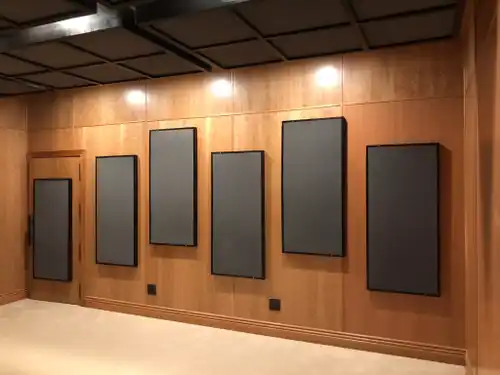
Placement is just as important as the panels themselves. You do not need to cover every inch of your walls to get great audio clarity. In fact, doing so usually makes the room sound worse. The most important spots are the first reflection points. These are the locations on your side walls where the sound from the speaker bounces once before hitting your ears. If you can stop the sound at this point, the clarity of the dialogue improves instantly.
You can find these spots using the "mirror point" method. Sit in your main listening chair and have a friend slide a mirror along the side wall. When you see the speaker in the mirror, that is your first reflection point. That is exactly where one of your acoustic panels should go. Do this for both the left and right speakers on both side walls. Addressing these spots prevents the reflected sound from arriving at your ears just a few milliseconds after the direct sound, which causes "smearing" of the audio.
Controlling the Corners
Corner bass traps are the next priority for any room. Low-frequency energy tends to bunch up in corners. This makes the room feel heavy and bloated, which ruins the impact of your surround sound receivers. By placing thick panels across the corners, you can tame those long waves. This makes the bass sound tight and punchy rather than slow and boomy. You will actually hear the texture of an explosion or a bass guitar rather than just a loud vibration.
Ceiling and Rear Wall Strategies
Ceiling clouds are panels that hang from the ceiling. These are great for rooms with high ceilings or hard flooring. They stop the sound from bouncing between the floor and the ceiling. This vertical reflection is a major cause of echo that people often ignore. On the rear wall, we often suggest a mix of absorption and diffusion. You want to absorb the sound coming from the front speakers but diffuse the sound from your rear speakers to create a wider sense of space.
Mounting panels with a one-inch air gap behind them increases their sound absorption at lower frequencies by allowing waves to be processed a second time as they bounce off the wall. This simple trick makes a standard panel act like a much thicker one. It is a professional secret that saves you money and space while improving the performance of your room.
Aesthetics and Function: Integrating Design into Your Home Theater
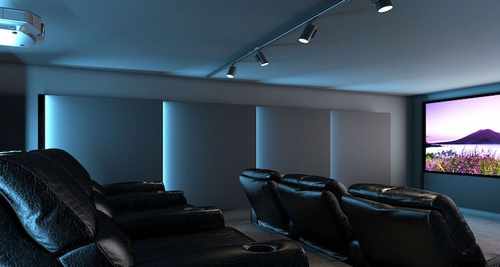
Acoustic treatment used to look like egg cartons or grey foam wedges. That is no longer the case. Modern acoustic wall treatment can look like high-end art. Fabric-wrapped panels come in hundreds of colors and textures. You can match them to your paint or your furniture so they disappear into the room. Some manufacturers even offer custom printed acoustic wall art. You can upload a high-resolution photo or a movie poster, and it gets printed onto the acoustic fabric.
Architectural shapes add a modern look to the space. You can use hexagons, triangles, or long slats to create a pattern on the wall. This turns functional gear into a design feature. In a luxury home theater, the goal is to make the room feel comfortable and stylish. You do not want it to look like a padded cell. Using wood-slat diffusers adds warmth to the room's look and sound. These slats allow some sound to bounce back while the spaces between them absorb the rest.
Lighting and Custom Finishes
You can also integrate lighting into your acoustic panels. Many high-end designs feature LED backlighting that creates a soft glow around the panels. This adds to the cinema atmosphere while serving a functional purpose. When you use motorized projection screens, the placement of panels becomes even more important to avoid interfering with the screen's movement. Planning the aesthetics early ensures that your sound treatment looks intentional rather than like an afterthought.
Blending panels with interior design is easy if you plan ahead. You can use thin panels for high-frequency control in hidden spots and thicker, decorative panels where they are visible. Custom shapes can even be used to build a full feature wall. This approach provides a balance between style and performance. Your theater should look as good as it sounds, providing a space where you are proud to host friends and family for movie night.
Acoustic Panel Material Comparison Guide
| Material Type | Sound Absorption (NRC) | Durability | Versatility | Best Use Case |
|---|---|---|---|---|
| Fiberglass / Rockwool | 0.90 - 1.05 | High | Moderate (Fabric) | Dedicated Home Theater |
| Open-Cell Acoustic Foam | 0.40 - 0.70 | Low | Low (Functional) | Gaming Room or Podcast |
| PET Felt Panels | 0.60 - 0.85 | High | High (Custom) | Home Office or Living Room |
Pros and Cons of Installing Acoustic Panels
Investing in high-quality acoustic treatment is the most effective way to improve the performance of your existing audio system. While there is an upfront cost and effort involved, the result is a professional-grade listening experience that makes every movie and song sound better.
Pros
Audio Clarity
Enhances audio clarity and makes movie dialogue much easier to understand.
Reduced Fatigue
Reduces harsh echoes and high-frequency ringing that causes ear fatigue.
Custom Design
Provides customizable design options that blend into high-end room decor.
Bass Response
Improves bass response by removing boomy resonance and standing waves.
Cons
Strategic Placement
Demands specific placement and measurement to reach peak performance.
Initial Investment
Involves a higher initial investment compared to basic foam alternatives.
Installation Hardware
Requires hardware installation that may leave small holes in wall surfaces.
Over-Dampening
Leads to an overly dead sound if too many panels are used incorrectly.
Frequently Asked Questions about Acoustic Panels
Acoustic panels are designed to improve sound quality inside a room by soaking up echoes rather than blocking sound from passing through walls. They lack the heavy mass required to stop sound from entering or leaving a space effectively.
Most experts recommend covering about 20% to 30% of the wall surface area to achieve a balanced sound. Focusing on the first reflection points and corners is more effective than trying to cover every square inch of the room.
Inexpensive foam works for high-frequency flutter echo but usually does very little to absorb mid-range or bass frequencies. For a true home theater experience, high-density fiberglass panels provide much better full-range performance.
Panels should be placed at the first reflection points on side walls and in the corners of the room for bass management. Using a mirror to find where you can see the speakers from your seat identifies the most important reflection spots.
No, covering an entire wall can make a room sound unnatural and stifling by removing too much sound energy. Strategic placement on a portion of the walls is enough to clear up the audio without making the room feel "dead."
Absorption uses soft materials to soak up sound waves and stop them from bouncing, while diffusion uses hard surfaces to scatter sound waves. A mix of both helps keep a room sounding clear while maintaining a sense of space and energy.
Mastering Your Sound With Elite A/V
Adding acoustic panels is the single most effective way to transform a standard room into a high-performance home cinema. By controlling reflections and taming bass, you allow your speakers to perform exactly how the manufacturer intended. Whether you are building a new space or fixing a noisy one, professional treatment makes all the difference.
Stop by the Elite A/V showroom to hear the difference for yourself. Our team provides expert guidance on placement and material selection that you simply cannot get from a big-box store. We offer professional installation and local service to help you get the perfect sound in your own home. Contact us today to start your room transformation.
Why Trust Elite A/V?
When it comes to elevating your residential or commercial space with cutting-edge technology and exceptional service, Elite A/V is your trusted partner for audio-video solutions in Las Vegas, Nevada. We take pride in offering a wide range of services to transform your environment into a smarter, more efficient, and more enjoyable space. With years of experience in the industry, our team of seasoned professionals possesses the expertise to handle all aspects of your project, from concept to completion. Whether you're looking to create a state-of-the-art home theater, upgrade your audio and sound systems, implement conference room solutions, or enhance your lighting with smart technology, we have the knowledge and skills to deliver exceptional results.
Find Sound Control Solutions at Elite A/V
When you choose Elite A/V for your project, you're choosing a partner that combines expertise, innovation, and a commitment to excellence. We are dedicated to bringing your vision to life and ensuring that your space is equipped with the latest technology to enhance your lifestyle or business operations. Contact us today to discuss your project and discover how we can make your technology dreams a reality.